In the latest episode of Journeys to Growing the Good on Markets Plus, host Issam Majeed sits down with Robert Stanley, CEO and Founder of Stay At Home Nursing Care Services and CHAH Technology, to discuss why he believes Canada's aging population is in need of a new approach to care, one that places greater emphasis on prevention, data and supporting both seniors and their caregivers.
Listen to the full conversation:
Shifting Canada's Healthcare From Reactive to Proactive Care
For Stanley, one of the biggest challenges is that healthcare is often structured around appointments, hospital visits and other points of intervention. Yet people's health doesn't change only when they're sitting in a doctor's office.
"Healthcare isn't episodic," Stanley explained. Health conditions evolve every day, often between appointments, creating blind spots where important changes can go unnoticed until they become more serious.
The Impact of Canada's Aging Population
That challenge is becoming increasingly important as Canada's population ages. Stanley describes the demographic shift underway as a once-in-a-century event. As baby boomers move into their senior years, the demand for healthcare services, home care and long-term care will continue to rise, putting additional strain on systems that are already stretched.
The question isn't whether change is coming, he suggests, but whether we're prepared for it.
Part of the difficulty is that conversations about aging can be uncomfortable. Many people understandably avoid thinking about a future that may involve illness, caregiving responsibilities or long-term care decisions. Yet Stanley believes there is growing recognition among healthcare providers, policymakers and families that the status quo isn't sustainable.
How Technology Is Supporting Independent Aging at Home
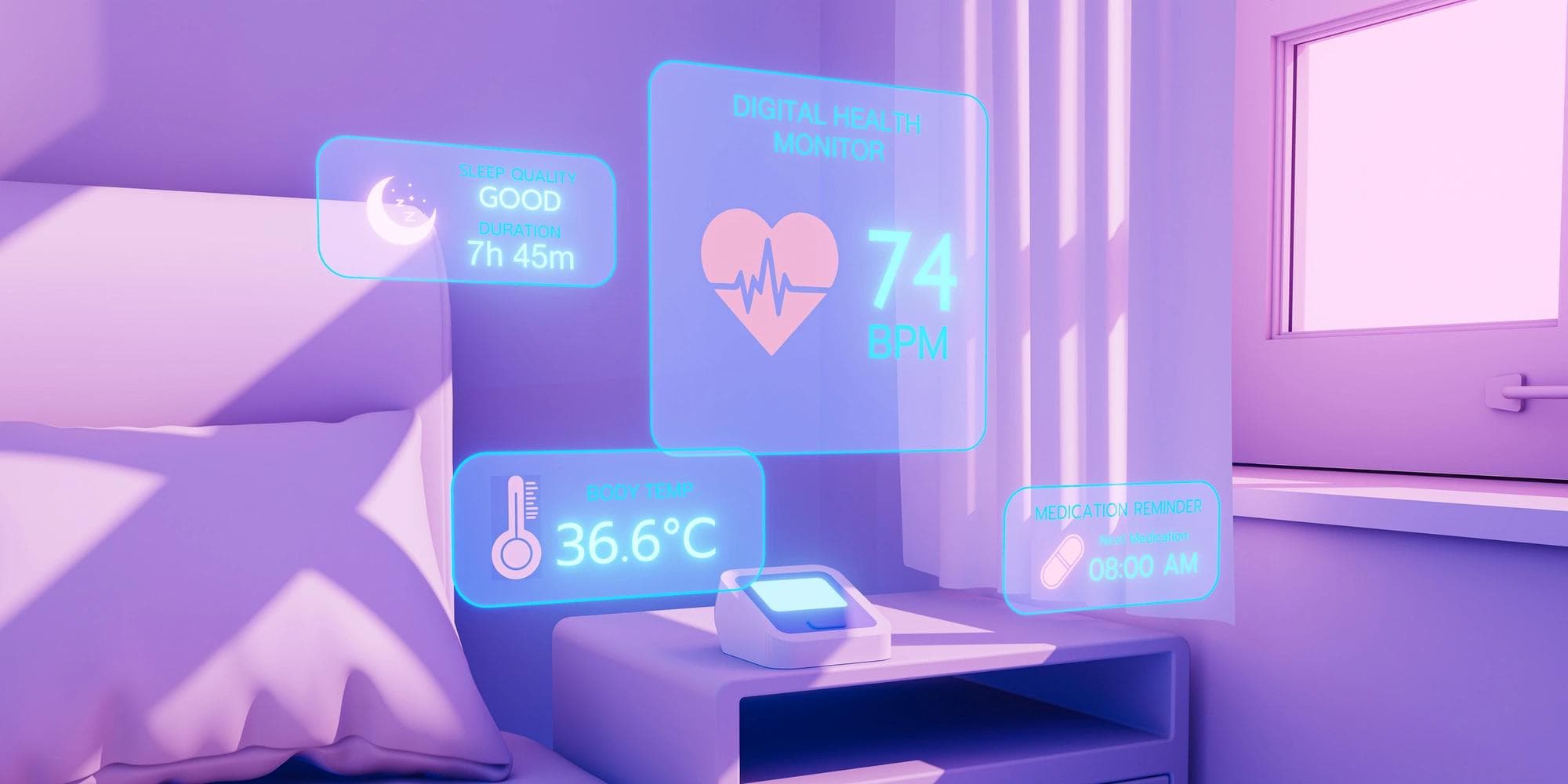
His own work focuses on shifting healthcare from reactive to proactive. Through CHH Technology, Stanley and his team use biosensors and artificial intelligence to monitor individuals at home, helping identify subtle signs that may indicate elevated health risks. Small changes in mobility, movement patterns or other indicators can signal potential concerns long before they result in a medical emergency.
Fall prevention is one example. Falls remain one of the leading causes of hospitalization among seniors, often triggering broader health complications and loss of independence. By identifying risk factors earlier, Stanley believes technology can help families and care providers intervene before a crisis occurs.
The Critical Role of Family and Professional Caregivers
While technology plays an important role in Stanley's vision for healthcare, he is equally passionate about supporting caregivers.
A significant portion of the discussion focused on caregivers, both professional and family members, who provide essential support every day. Stanley noted that while caregivers are among the most important contributors to the healthcare ecosystem, they are also vulnerable to burnout and often face significant emotional and physical demands. Supporting them, he argues, is critical to improving outcomes for everyone involved.
Some of the most meaningful moments in his work come from hearing how families benefit when they receive the right support.
Building a More Sustainable Future for Healthcare
Looking ahead, Stanley remains optimistic. He believes Canada has an opportunity to build a more resilient healthcare system by investing in preventive care, empowering caregivers and leveraging technology to help people remain in their homes and communities longer.
Ultimately, the goal is not simply to manage an aging population. It's to create a model of care that allows people to age with dignity, independence and confidence while helping families navigate one of life's most important journeys. For Stanley, that's what it means to move healthcare beyond treating illness and toward supporting wellbeing.
Markets Plus is live on all major channels, including Apple and Spotify
Join us as we continue to explore what it truly means to grow good, one journey at a time.